Uncategorized
Understanding Gamefowl Bloodlines: A Guide to Heritage, Genetics, and Breeding

Gamefowl bloodlines represent generations of selective breeding, heritage, and genetic development. For poultry enthusiasts and breeders, understanding bloodlines helps with identifying breed history, maintaining quality genetics, and building a responsible breeding program.
What Is a Gamefowl Bloodline?
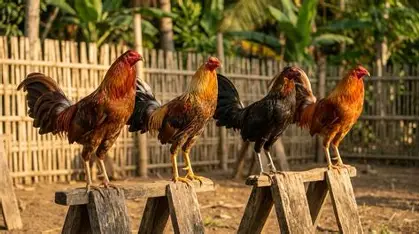
A gamefowl bloodline refers to a family line of birds that share inherited characteristics from previous generations. These traits may include physical appearance, body structure, feather patterns, size, and other qualities valued by breeders.
A strong bloodline is developed through careful selection, record keeping, and responsible breeding practices over many years.
Popular Gamefowl Bloodlines
American Gamefowl Bloodlines
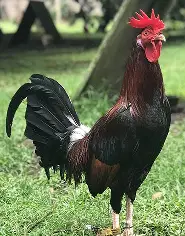
American gamefowl bloodlines have a long history among poultry breeders. Many lines are known for their distinct appearances, heritage, and genetic influence in breeding programs.
Kelso Bloodline

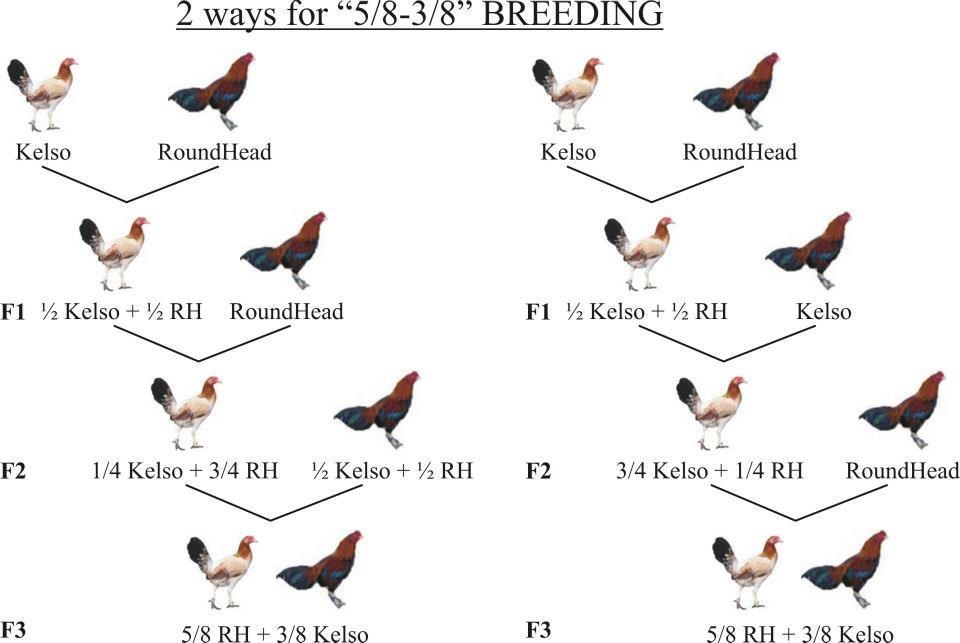
The Kelso bloodline is one of the most recognized names in gamefowl history. It is often discussed by breeders interested in preserving traditional genetics and studying historical breeding lines.
Hatch Bloodline
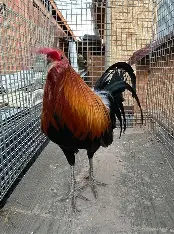
The Hatch bloodline is another well-known name associated with American gamefowl heritage. Many breeders value its historical importance and contribution to modern breeding programs.
Sweater Bloodline

The Sweater line is widely recognized among gamefowl enthusiasts for its history and popularity in breeding communities.
Asil Bloodline

The Asil (Aseel) breed has ancient origins and has contributed genetics to many poultry breeding programs worldwide. It is known for its distinctive structure and historical significance.
How Breeders Evaluate Bloodlines
Responsible breeders commonly consider:
- Genetic history and records
- Physical characteristics
- Health and vitality
- Consistency across generations
- Proper care and management
Maintaining accurate breeding records helps preserve valuable traits and improves understanding of a bird’s heritage.
Choosing Quality Bloodline Stock

When selecting breeding stock, focus on:
Responsible breeding goals
Healthy birds from reliable sources
Clear lineage information
Proper farm management practices
Good nutrition and care
Why Bloodline Knowledge Matters
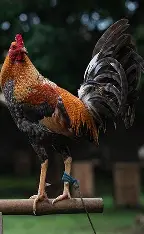
Learning about bloodlines helps breeders appreciate poultry history, preserve genetic diversity, and make informed decisions when developing their breeding programs.
Conclusion

Gamefowl bloodlines are an important part of poultry heritage and genetics. Understanding their history and characteristics allows breeders to better preserve quality traits and continue responsible breeding traditions.
